
Louisville basketball is taking a unique approach with its latest addition: 2027 reclass Isaac Ellis.
- Isaac Ellis is using Overtime Elite and NIL deals to grow his brand while delaying his signing.
- Ellis lays the blueprint of how players can maximize both development and earnings.
- Louisville basketball roster foundation is being built on untraditional additions.
Louisville basketball head coach Pat Kelsey and his staff have embraced an increasingly uncommon approach to roster construction, thinking outside the box as the Cardinals enter the 2025–26 season.
That strategy is evident in Louisville’s growing reliance on players with professional experience. This offseason alone, the Cardinals added multiple players who’ve already logged meaningful minutes against grown men overseas.
Sananda Fru, a former standout in Germany’s NBL, has quickly become Louisville’s starting center. Greek big man Vangelis Zougris spent two years playing professionally before arriving in the ACC and now backs up Fru. Mohamad Camara, who played professionally in Africa, is redshirting this season, while NBA G League veteran London Johnson is already on campus and set to officially join the roster for the 2026–27 season.
But Louisville’s most unique addition may be its newest commitment.
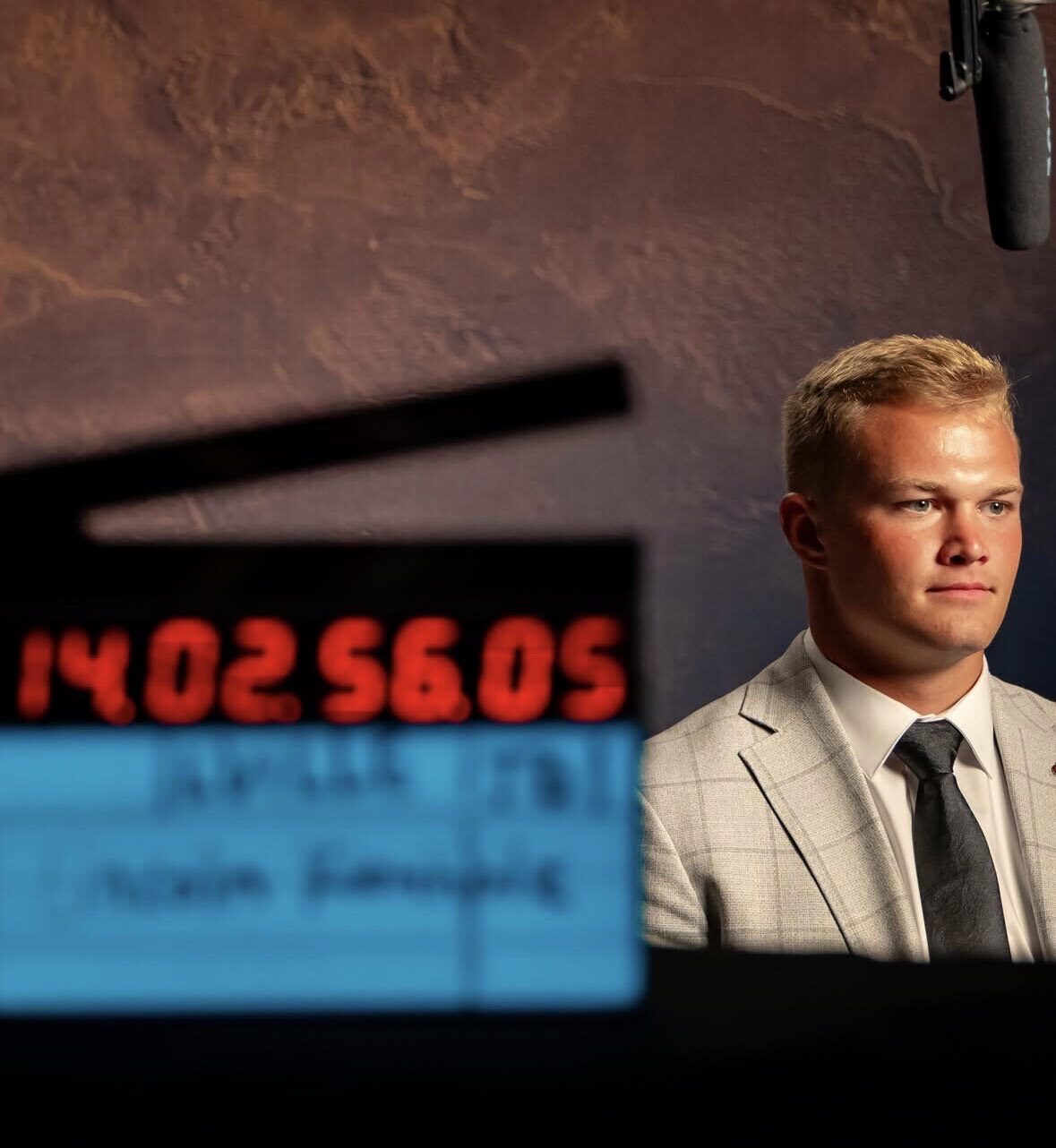
Isaac Ellis, a 6-foot-1 point guard from Hickory, North Carolina, pledged to the Cardinals on Monday, though he won’t sign until the early signing period in 2027. That delay is intentional, and increasingly strategic in today’s evolving college basketball landscape.
Ellis turns 18 on January 1st, meaning he’ll be turning 20 years old during his freshman season at Louisville. He’s more than comfortable with that timeline.
“First off, I’m not going to the NBA,” Ellis said candidly in a recent social media video. “I’m pretty self-aware about that. In the NCAA right now, there are some college players making more than NBA players.”
Ellis explained that remaining in high school and playing another season with Overtime Elite allows him to continue earning money while extending his eligibility window.
“So why would I limit myself to only four years?” Ellis said. “Being young is not a good thing right now… You can either complain about it or adjust.”
Ellis’ perspective reflects a broader shift across college basketball. Rosters are aging. Experience matters. Louisville’s own roster underscores that reality, featuring J’Vonne Hadley and Kobe Rodgers at 23, Sananda Fru and Isaac McKneely at 22, Ryan Conwell and Vangelis Zougris at 21, and veterans Aly Khalifa and Kasean Pryor at 24, with Pryor turning 25 in January.
For Ellis, another year of development also offers physical benefits. Slightly built, he would be the smallest player on Louisville’s 2025–26 roster, but added time allows him to grow into his frame, and his game.
It also allows him to grow his bank account.
Through Overtime’s media exposure, Ellis can continue building his brand and earning independent NIL deals without jeopardizing his college eligibility. He already boasts more than one million TikTok followers and over 400,000 on Instagram, a social presence that likely generates high five- to low six-figure income annually. His brand partners include Under Armour, Yesoul Fitness, Gametime App, Serious Players Only, C4, and others.
Simply put, Ellis is likely earning more now than he might during, or after, college.
As recruiting norms continue to shift, players willing to adapt stand to benefit. Louisville was the first Power Four program to sign a former G League player, and while Kelsey and his staff aren’t the first to welcome a player reclassifying backward, they remain at the forefront of innovation.
Don’t be surprised if that approach pays dividends again when the transfer portal reopens.